Wishlist

From Tourist to Scientist: Simple Ways to Contribute to Research While Travelling
Travelling is a great way to discover new places, experience different cultures and connect with nature. But what if your next holiday could also help scientists understand and protect the planet? Through citizen science, travellers can contribute to real research by observing wildlife, recording environmental changes and collecting valuable information during their adventures.
Whether you are hiking through a national park, exploring a coral reef or visiting a remote village, there are plenty of simple ways to make your travels more meaningful. You do not need a science degree or specialist equipment to get involved. All you need is curiosity, a little preparation and a willingness to make a difference.

What Is Citizen Science and Why Does It Matter?
Citizen science involves members of the public helping researchers collect, analyse or interpret scientific data. These contributions can help scientists monitor biodiversity, track climate change, identify endangered species and understand environmental challenges across different regions.
In a study published in Ocean & Coastal Management, researchers found that combining whale-watching experiences with environmental DNA (eDNA) sampling increased tourists' knowledge of marine biodiversity. The research demonstrated how travel experiences can become opportunities for environmental education and meaningful participation in conservation.
Professor Darlene Cavalier, founder of SciStarter and a professor of practice at Arizona State University, explains the value of public participation in research:
"People shouldn't have to go to graduate school just to learn about ways to get involved in science."
Her work highlights how accessible research opportunities can encourage people from different backgrounds to contribute to scientific discoveries.
Record Wildlife and Plant Species
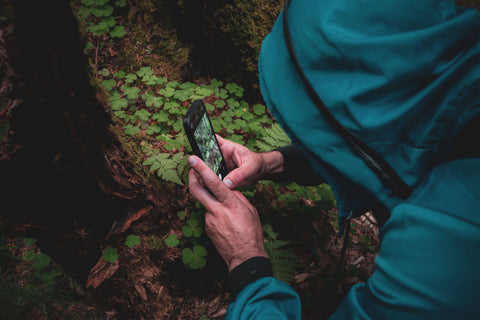
One of the easiest ways to contribute to research while travelling is to observe and record local wildlife and plants. Photographing birds, insects, trees or marine animals and documenting where you spotted them can help researchers understand species distribution and changes in biodiversity.
Apps such as iNaturalist allow travellers to upload photographs, record locations and receive help identifying species. These observations can become part of research databases used to monitor ecosystems and support wildlife conservation. Always follow local guidelines, avoid disturbing animals, and never share precise locations of vulnerable species if doing so could put them at risk.
A study published in Biological Conservation, titled The Declaration of a New Small-Range Species Increases Wildlife Tourism, explored how the identification of a new bird species influenced wildlife tourism and birdwatching records. It illustrates how species discoveries and public interest can connect tourism with biodiversity research.

Join Local Conservation Activities
Many destinations offer opportunities to participate in organised research and conservation activities. These may include beach clean-ups, bird counts, coral reef monitoring, tree surveys or guided nature walks led by local researchers and environmental organisations.
Look for reputable citizen science projects before your trip, particularly those run by universities, conservation groups or local environmental agencies. Some ecotourism operators also incorporate scientific activities into their tours, allowing visitors to learn about local ecosystems while contributing to ongoing research.
A study in the Journal of Outdoor Recreation and Tourism, titled Impacts of Participation in Scientific Activities on Marine Tourists’ Engagement and Individual Learning Outcomes, examined how taking part in scientific activities affected marine tourists. It explored the potential for hands-on research experiences to improve learning, reflection and engagement with conservation.
Turn Your Outdoor Adventures into Research
Hiking, camping and exploring national parks can also provide opportunities to contribute to scientific research. Travellers can record flowering times, observe seasonal changes, photograph fungi or report litter, erosion and other environmental conditions through recognised monitoring programmes.
Before setting out, check whether the area has an established monitoring project that accepts public observations. Follow its instructions carefully, as accurate dates, locations and photographs can make your contributions more useful to researchers.
A study published in the Journal of Outdoor Recreation and Tourism explored how data from a citizen science platform could help researchers understand visitor patterns in national parks. It highlights how observations collected through recreational activities can also contribute to understanding tourism and its relationship with protected environments.
Make Marine Tourism More Meaningful
Ocean-based activities such as snorkelling, diving and whale-watching can offer opportunities to support marine research. Some organised tours invite participants to record sightings, monitor marine animals or take part in non-invasive environmental sampling.

Research published in Scientific Reports, titled Willingness to Engage in Marine Conservation Through eDNA-Informed Citizen Science on Whale-Watching Platforms, surveyed 224 participants across Italy, Portugal and Iceland. The study found that these experiences could increase environmental awareness and encourage participants to support marine conservation through volunteering, behavioural changes and financial contributions.
When choosing volunteer travel or marine excursions, look for operators that work with qualified researchers and have clear animal-welfare and environmental standards. Responsible participation ensures that your experience benefits both the research and the local ecosystem.
Share Your Observations Responsibly
Not every contribution requires joining an organised expedition. Simply documenting environmental changes and submitting observations to an established research platform can be valuable, particularly when information is collected consistently across different locations.
A study published in the Journal of Ecotourism, examining tourists' behavioural intentions to participate in marine citizen science in South Africa, explored how visitors could be encouraged to contribute to marine monitoring and conservation. It highlights the importance of creating accessible opportunities that connect travellers with research.
Dr Darlene Cavalier's work through SciStarter also demonstrates the value of helping people find suitable research opportunities. Travellers can use such platforms to discover projects that match their interests, destinations and available time.
Let Every Journey Leave a Positive Mark
Travel can be about much more than sightseeing. By recording wildlife, joining conservation activities and sharing observations with researchers, travellers can help build a better understanding of the natural world.
You do not need to change your entire itinerary or dedicate your holiday to scientific work. Even a few minutes spent documenting a bird sighting or participating in a local monitoring project can contribute to a larger effort. The next time you travel, consider becoming more than a visitor. Become an active participant in discovering, understanding and protecting the places that make our world worth exploring.
About the Author

Kayla Souleiman
Kayla is a nutritionist and fitness expert based in Los Angeles, with a passion for self development & transformation through nutrition. She's an advocate for plant-based diets and functional nutrition, she helps her clients optimise their wellness through balanced, sustainable eating and personalized fitness plans. Kayla combines her Middle Eastern roots with modern nutritional science to create culturally diverse, accessible approaches to healthy living, making her a trusted voice in the wellness community.